Pricing
Price per person sharing
Rates below are per person for this 1-day itinerary and depend on how many of you travel together. Every safari is private and tailor-made — final pricing is confirmed with your dates and chosen lodges.
How many travellers?
22 people rate
Your price
$207per person sharing
$414 total for 2 travellers (USD)
Prices are per person sharing a twin/double room and shown in USD, converted from our USD rates. They include accommodation, park and conservation fees, game drives in a 4x4 safari vehicle, a professional driver-guide and meals as listed. Gorilla or chimpanzee permits, international flights, visas, tips and personal expenses are quoted separately. Single supplement and peak-season rates on request.
Route map
Where you'll travel
Tap any stop to jump to that day in the itinerary.
Plotting route…
Trip highlights
- Game drives near the city
- Rhino sanctuary
- Skyline backdrop
A detailed day-by-day itinerary will be published soon. Please get in touch for the latest version.
From the trail
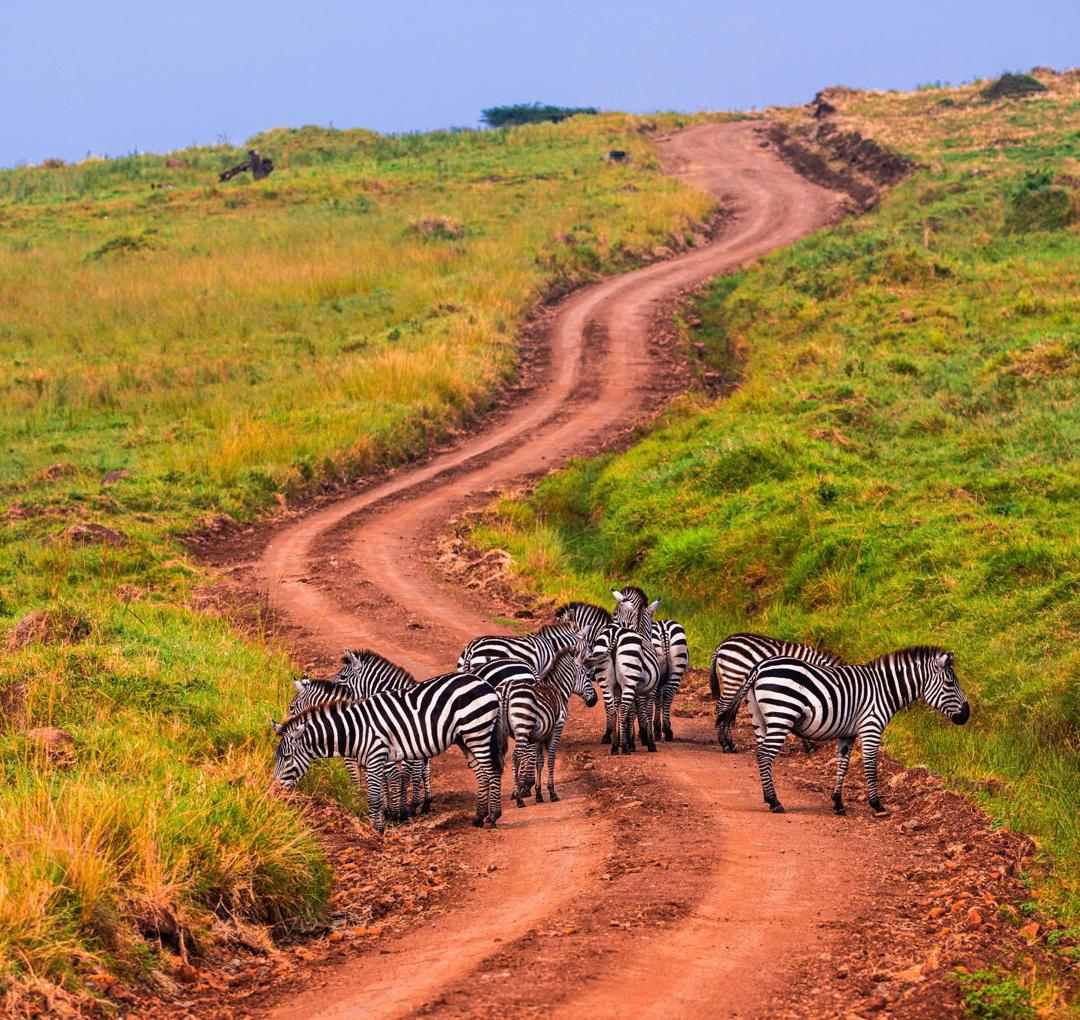
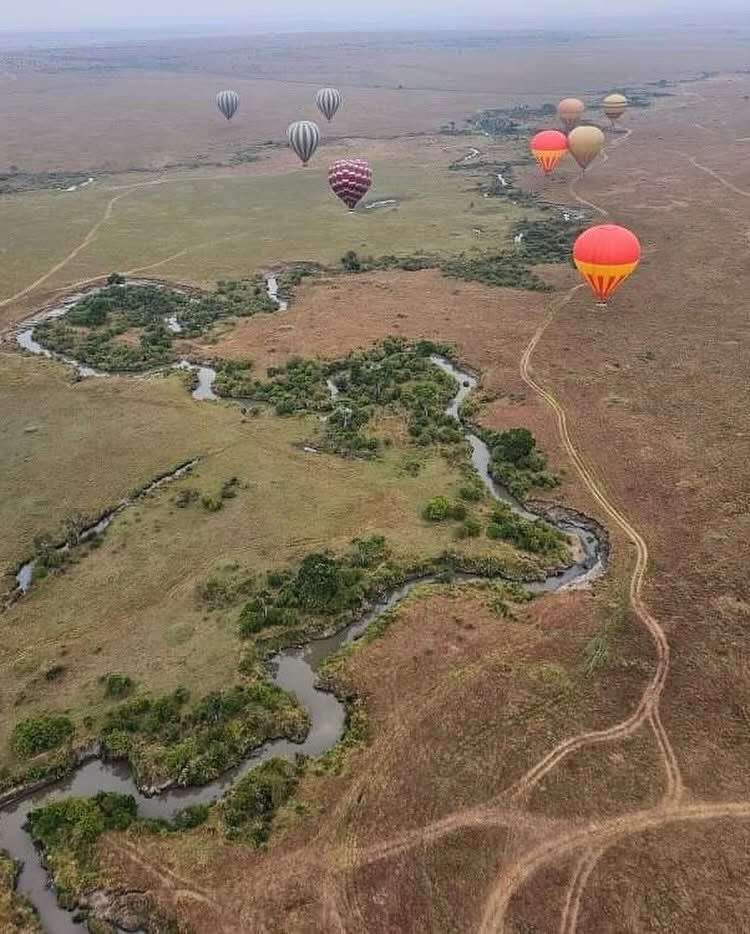
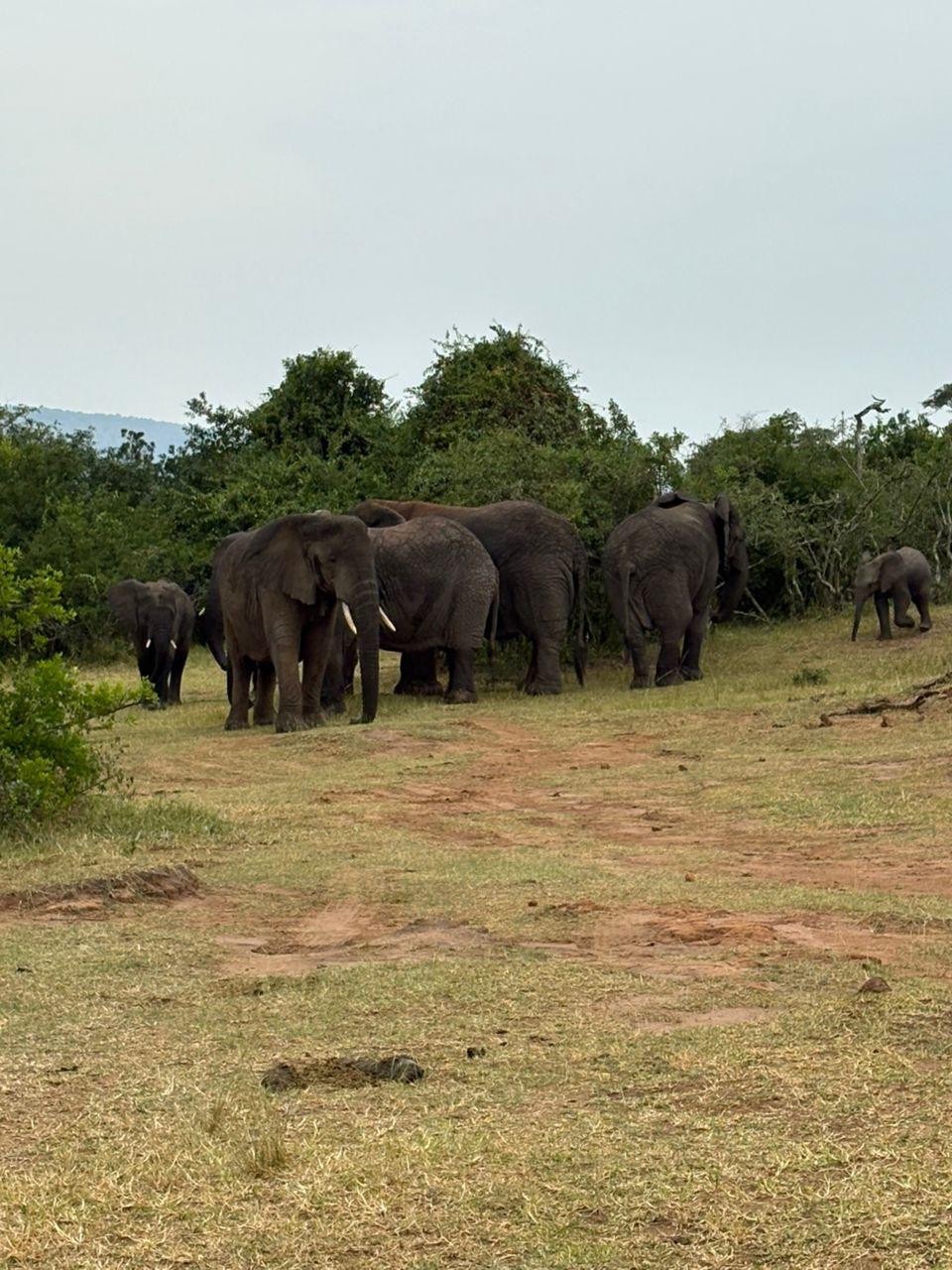
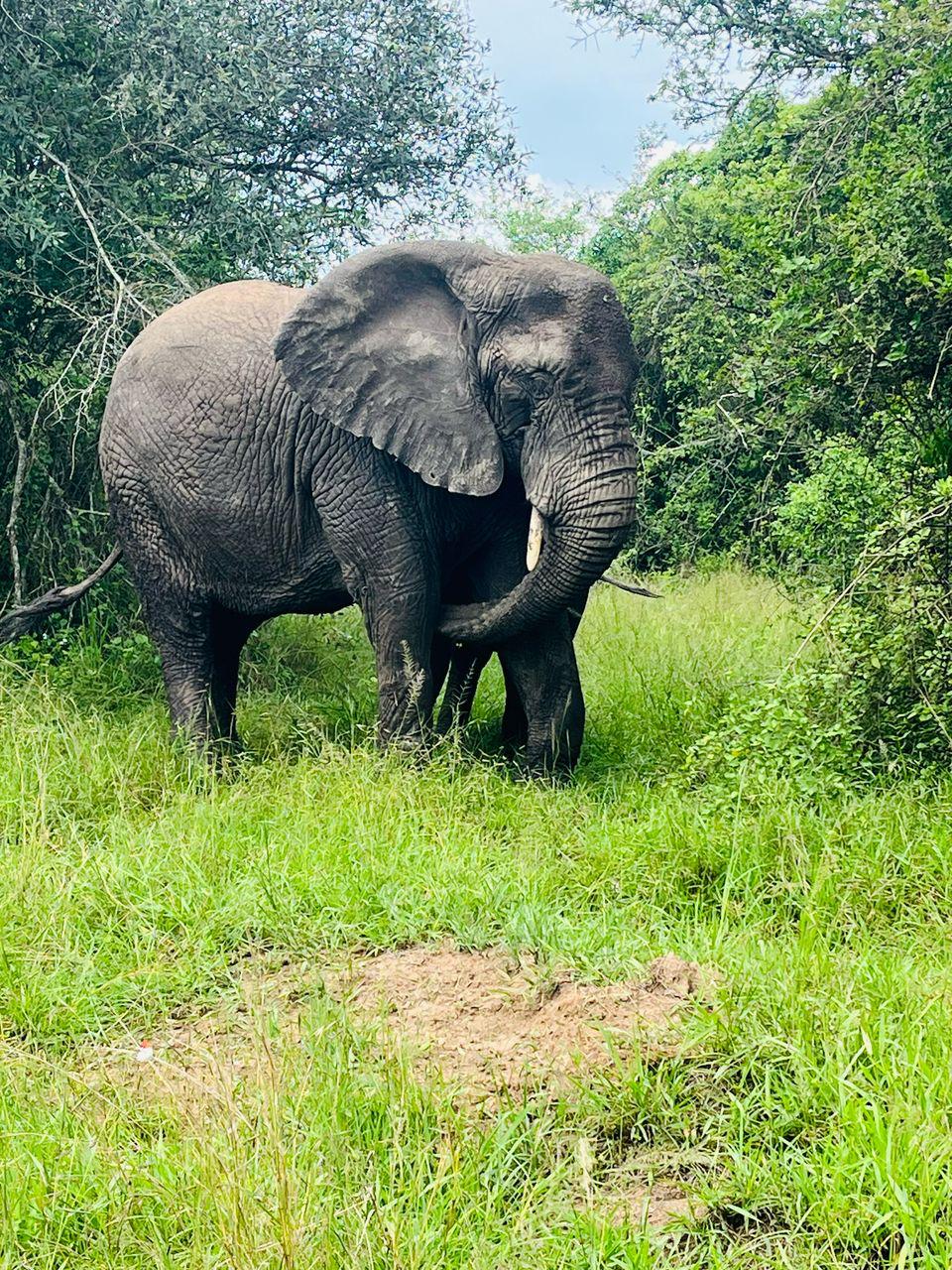
Moments from this safari
Before you book
What to know about travelling in Kenya
Visas, permits, health requirements, seasons, money and tipping — everything specific to this destination.
Before you book · Kenya
Travelling in Kenya
- Visas & entry
- Kenya no longer issues visas: every visitor must apply online for an Electronic Travel Authorisation (eTA) at least 3 days before arrival. Passport valid 6+ months with two blank pages. The East Africa Tourist Visa (Kenya–Uganda–Rwanda, 90 days, multiple entry) is the better value if your trip crosses those borders.
- Arrival gateway
- Jomo Kenyatta International Airport (NBO), Nairobi — domestic bush flights leave from Wilson Airport.
- Best time to travel
- July–October for the Great Migration in the Masai Mara; January–March for dry, clear game viewing and calving. April–May is the long rains (green, quiet, best value); November is the short rains.
- Health & vaccinations
- Yellow fever certificate required if arriving from an endemic country. Malaria prophylaxis recommended for the Mara, Tsavo and the coast. Routine vaccinations plus typhoid and hepatitis A advised. Drink bottled or filtered water only.
- Money & payments
- Kenyan Shilling (KES). USD notes dated 2009 or later are widely accepted for park fees and tips; M-Pesa and card payments work in cities and most lodges. Carry small USD/KES notes for rural stops.
- Weather & climate
- Warm days (25–30°C) and cool early mornings on the highlands and in the Mara (10–15°C). Coast is humid, 28–32°C year-round.
- Connectivity
- 4G in towns and most camps; Wi-Fi in lodge common areas. Deep-bush camps in Tsavo and Samburu can be offline — expect a digital detox.
- Tipping guideline
- Guideline: USD 10–15 per guest per day for your driver-guide, USD 5 per day for camp staff (tip box), and USD 2–3 per bag for porters.
- What to pack
- Neutral-coloured layers, warm fleece for open-vehicle morning drives, wide-brim hat, high-SPF sun cream, binoculars, dust-proof camera bag, and a soft duffel (hard cases don't fit light aircraft — 15 kg limit).
- Local etiquette
- Ask before photographing people, especially in Maasai and Samburu communities. Single-use plastic bags are illegal in Kenya — leave them at home.
Requirements and fees change. We reconfirm current visa, permit and health rules in writing before you pay any balance.